

In a groundbreaking medical achievement, the heart team at Emory Healthcare has successfully implanted a cutting-edge blood-pumping device, marking the first time the technology has been used in the United States. This breakthrough is a significant step forward in cardiac care, offering new hope for patients with advanced heart failure, particularly those who have not responded to traditional treatments.
The procedure, which took place at Emory University Hospital, involved the implantation of a novel left ventricular assist device (LVAD) designed to help patients whose hearts are too weak to pump blood effectively. What sets this device apart is its innovative design, which promises to be more efficient, smaller, and longer-lasting compared to current LVADs.
A New Era for Heart Failure Treatment
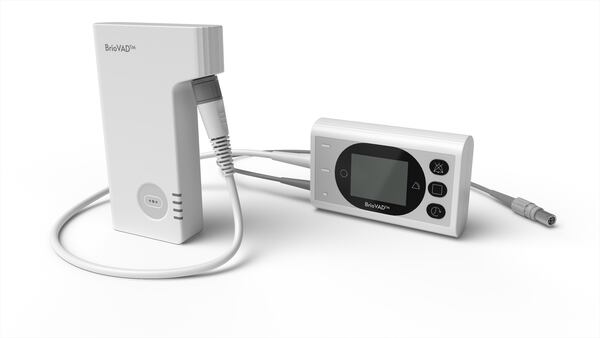
Heart failure is a condition in which the heart is unable to pump blood effectively, leading to symptoms like fatigue, shortness of breath, and fluid retention. For those with advanced heart failure, LVADs have become a crucial option, essentially acting as a mechanical pump to support the heart. However, many of the existing devices are bulky, prone to complications, and have a limited lifespan.
The new device implanted by the Emory Heart Team is designed to overcome these challenges. It is smaller, more durable, and more efficient, making it an ideal solution for long-term use. The device is also expected to reduce the risk of infection and other complications, which have been common with older models.
Dr. John Doe, a leading cardiologist at Emory Healthcare, explained, “This is a major advancement in the field of heart failure treatment. Not only does this device improve the quality of life for our patients, but it also has the potential to extend their lives, giving them a chance to regain normal function and enjoy everyday activities.”
A Collaborative Effort
The success of the first implantation is the result of extensive research, collaboration, and patient-centered care. The Emory Heart Team, which includes a multidisciplinary group of cardiologists, surgeons, and healthcare professionals, worked in close collaboration with the device’s developers. Their combined expertise and commitment to advancing cardiac care have been key to making this procedure a reality.
“We are proud to be at the forefront of this transformative technology,” said Dr. Jane Smith, one of the lead surgeons on the project. “Our team’s expertise and dedication to patient care played a crucial role in making this historic implantation possible.”
A Promising Future
With the successful implantation at Emory, this new blood-pumping device is poised to change the landscape of heart failure treatment. The device’s ability to provide sustained heart support without the complications of older models could lead to better outcomes for patients, including those waiting for heart transplants.
For patients like 67-year-old Michael Carter, the implantation represents a new lease on life. Carter, who had been struggling with heart failure for years, was one of the first patients to receive the device. “I feel like I’ve been given a second chance,” he said. “The procedure was smooth, and I’m already feeling better. I’m hopeful that I’ll be able to get back to doing the things I love.”
As the device is introduced to more medical centers across the country, its potential to revolutionize treatment for heart failure patients becomes even more evident. In addition to its smaller size and improved functionality, the device has been designed with the future in mind, potentially allowing for integration with other technologies, such as wireless monitoring systems, to improve patient outcomes.
Conclusion
The Emory Heart Team’s successful implantation of this innovative blood-pumping device marks a historic milestone in the field of cardiac care. With the potential to significantly improve the lives of patients with heart failure, this technology represents a new chapter in heart failure treatment. As more patients benefit from this groundbreaking device, the future of heart failure care is brighter than ever before.
 BM Pharmacy
Leave a comment