
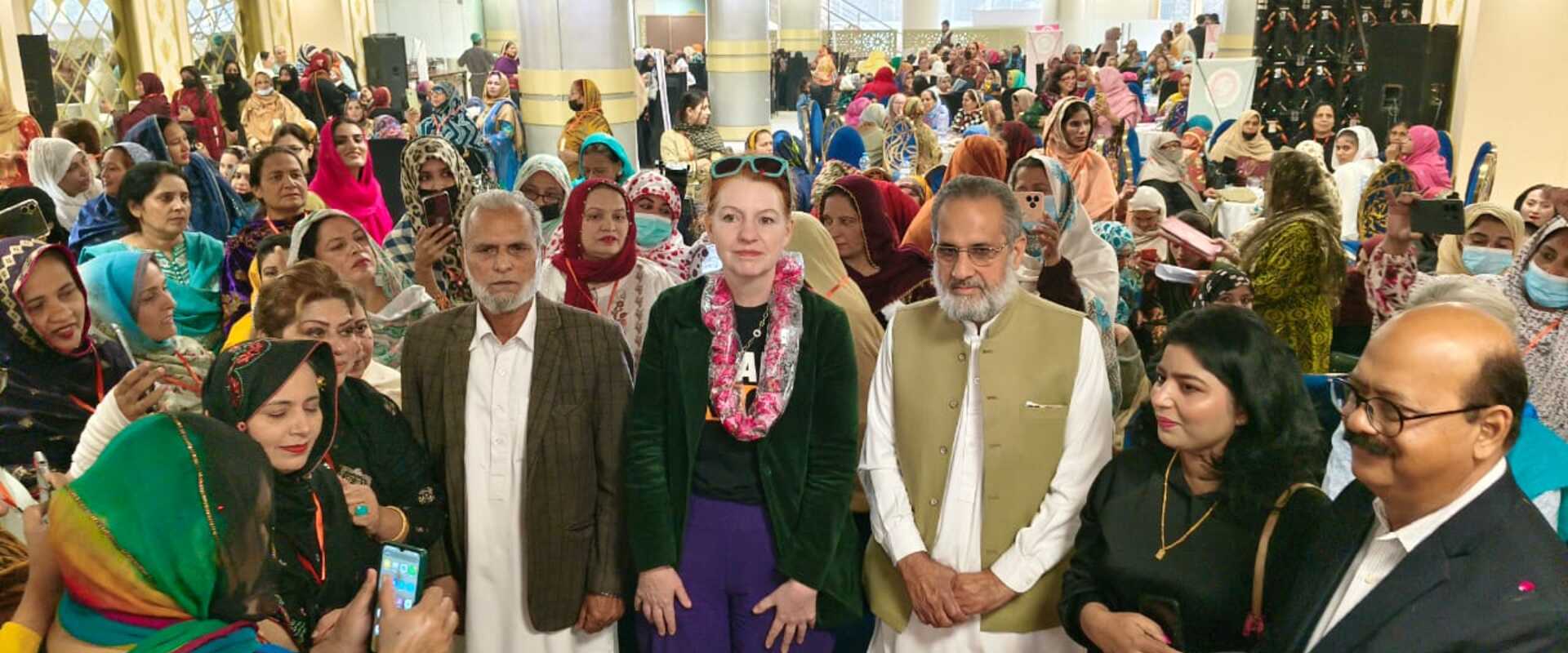
In a groundbreaking development for Pakistan’s public health landscape, Community Health Workers (CHWs) from across the nation have united under a historic federation. This significant move marks a pivotal moment in the evolution of the healthcare system, one that aims to empower these essential grassroots workers and recognize their indispensable role in shaping the future of public health in the country.
The Need for Unity
Community Health Workers have long been the unsung heroes in Pakistan’s rural and urban areas. Often operating in challenging environments with limited resources, CHWs are at the forefront of delivering healthcare services, especially in underserved communities. From providing maternal care to managing communicable diseases, their work is integral to the health and well-being of millions.
However, despite their critical contribution, CHWs have traditionally lacked a unified voice, facing issues like poor working conditions, inadequate compensation, and limited professional recognition. These challenges have hindered their ability to fully engage in shaping policies that directly impact their work.
In response, the newly formed CHW Federation aims to address these systemic barriers, ensuring that these workers receive the respect, training, and support they need to continue their vital work.
Building a Stronger Workforce
The federation brings together a wide spectrum of CHWs, including those working in maternal health, child health, immunization, and mental health services. By uniting under a common platform, these workers can now present a cohesive, collective stance on the issues that impact their work, from better pay and healthcare benefits to professional development opportunities.
One of the federation’s first objectives is to push for standardized training programs and clearer career pathways for CHWs, enabling them to enhance their skills and have a greater impact on their communities. This includes advocating for government recognition of CHWs as integral members of the healthcare workforce, rather than as temporary or volunteer-based personnel.
Elevating Public Health in Pakistan
The federation is not just a victory for the workers themselves; it is a vital step toward strengthening Pakistan’s public health infrastructure. CHWs are often the first point of contact for citizens in remote and underserved areas, providing critical services that bridge the gap between rural communities and healthcare institutions.
Read More This About
This new unity allows CHWs to better collaborate with healthcare providers, NGOs, and government agencies to develop targeted, sustainable health interventions. Moreover, with better representation, the federation can lobby for increased funding and resources, especially for preventive health initiatives that reduce the burden on hospitals and medical facilities.
Strengthening Policy Advocacy
Another major benefit of this newly formed federation is its potential to influence policy decisions. Historically, CHWs have had limited input in shaping healthcare policies, which has often led to disjointed efforts and inefficiencies in service delivery. With the federation’s establishment, these workers now have an organized platform to engage in meaningful dialogue with policymakers, ensuring that their voices are heard in decisions that affect public health at the national level.
By creating a structured framework for advocacy, the federation aims to ensure that policies are more reflective of the realities faced by CHWs. This could result in changes to working conditions, job security, health insurance, and overall well-being for these workers.
A Vision for the Future
The federation envisions a future where Community Health Workers in Pakistan are not only seen as vital healthcare providers but also as respected professionals with clear roles and responsibilities. Their efforts will be amplified as part of a unified, cohesive workforce advocating for stronger healthcare policies, better funding, and more targeted health interventions.
Moreover, as the federation grows, it is expected to foster deeper collaboration with international organizations, non-governmental organizations (NGOs), and other stakeholders in global health. This could lead to an exchange of best practices, resources, and expertise, benefiting both CHWs and the communities they serve.
Conclusion
The formation of the CHW Federation in Pakistan is more than just a milestone for these workers; it’s a milestone for public health in Pakistan as a whole. With greater unity, stronger advocacy, and enhanced professional development, this collective force stands poised to drive significant improvements in healthcare delivery across the country.
As Pakistan continues to navigate the challenges of healthcare delivery, particularly in remote and underprivileged areas, the empowerment of its Community Health Workers through this historic federation signals a new era of more equitable, accessible, and effective healthcare for all.
 BM Pharmacy
Leave a comment