
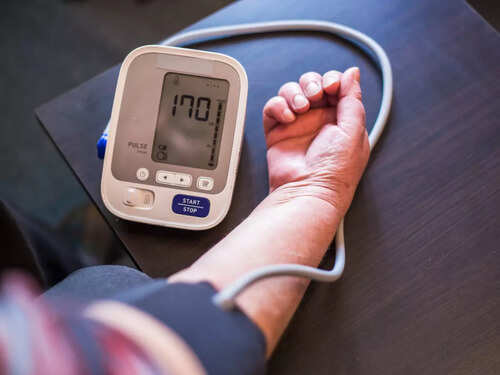
As temperatures drop and the days shorten, many people unknowingly face an increased risk of high blood pressure (hypertension). Winter weather can affect the body in ways that make it more challenging to maintain healthy blood pressure levels. Understanding how cold weather impacts blood pressure and recognizing the signs that your BP may be rising is crucial to managing your health effectively during the colder months. Here are five warning signs to watch out for when your blood pressure could be climbing in winter.
1. Headaches or Dizziness
Headaches are one of the most common symptoms of high blood pressure, and they can be exacerbated by cold weather. As temperatures fall, your blood vessels constrict to preserve body heat, which can increase the pressure in your arteries. This change in blood flow can cause tension in the head, leading to frequent headaches or feelings of dizziness. If you start experiencing persistent or unusual headaches that don’t improve with usual remedies, it could indicate your blood pressure is elevated.
2. Shortness of Breath
Cold weather can make it harder for your body to maintain oxygen levels, especially if your blood pressure is already high. The narrowing of blood vessels during winter causes your heart to work harder to pump blood throughout the body. This extra strain can lead to shortness of breath or a feeling of fatigue with minimal exertion. If you find yourself winded after climbing stairs or performing activities that you would normally handle without issue, it could be a sign of rising blood pressure.
Read More This About
3. Chest Pain or Tightness
Chest discomfort or tightness is a serious symptom that should never be ignored, especially in cold weather. High blood pressure puts extra strain on the heart, and in winter, your heart works even harder due to cold-induced narrowing of blood vessels. The combination of both factors may result in chest pain or a feeling of tightness in the chest, which can be a warning sign of hypertension or even a heart-related issue. If you experience chest pain, it is important to seek medical attention immediately.
4. Fatigue or Unexplained Tiredness
During the winter months, many people tend to feel more tired due to shorter days and less sunlight, but excessive or unexplained fatigue could be linked to rising blood pressure. When your blood pressure is elevated, your heart has to work harder to pump blood, leading to an increase in overall exhaustion. If you find that you’re unusually tired even after adequate sleep or rest, or if you feel more drained than normal, your blood pressure might be to blame.
5. Cold Hands or Feet
It’s common for extremities to feel cold during winter due to low temperatures. However, if your hands and feet frequently feel cold, even in a warm environment, it may indicate poor circulation associated with high blood pressure. The constriction of blood vessels caused by cold weather can cause a drop in circulation, particularly in the hands and feet. This reduced circulation can lead to discomfort and a sense of coldness, which may signal rising BP levels.
Why Cold Weather Affects Blood Pressure
Cold weather causes blood vessels to constrict in order to preserve body heat, which increases the resistance against the heart’s pumping action. As a result, the heart must work harder to circulate blood, potentially leading to higher blood pressure. For people already diagnosed with hypertension, this added stress can worsen the condition and put individuals at a higher risk for complications such as heart attack or stroke.
Additionally, many people engage in less physical activity during the winter months, which can contribute to weight gain, higher cholesterol, and overall poorer cardiovascular health—all factors that can elevate blood pressure.
How to Manage Your Blood Pressure During Winter
- Stay Active: Even in colder weather, try to maintain regular physical activity to help keep your blood pressure in check. Indoor exercises like yoga, swimming, or even walking on a treadmill can help.
- Dress Warmly: Layer up to prevent your body from getting too cold and causing your blood vessels to constrict too much.
- Monitor Your Blood Pressure Regularly: Keep track of your blood pressure at home to catch any changes early. If you notice significant increases, contact your healthcare provider.
- Eat Heart-Healthy Foods: Include more fruits, vegetables, and whole grains in your diet, and reduce salt intake to prevent blood pressure spikes.
- Stay Hydrated: Dehydration is a common winter issue that can exacerbate blood pressure problems. Drink enough water, especially in dry indoor environments.
Conclusion
The winter months can pose a unique challenge to those with high blood pressure. By recognizing the signs of rising BP and taking proactive steps to manage your health, you can reduce your risk of complications during this time of year. Be aware of symptoms like headaches, chest pain, shortness of breath, and fatigue, and make sure to monitor your blood pressure regularly. If you notice any changes, consult your doctor to ensure that your blood pressure remains under control.
 BM Pharmacy
Leave a comment